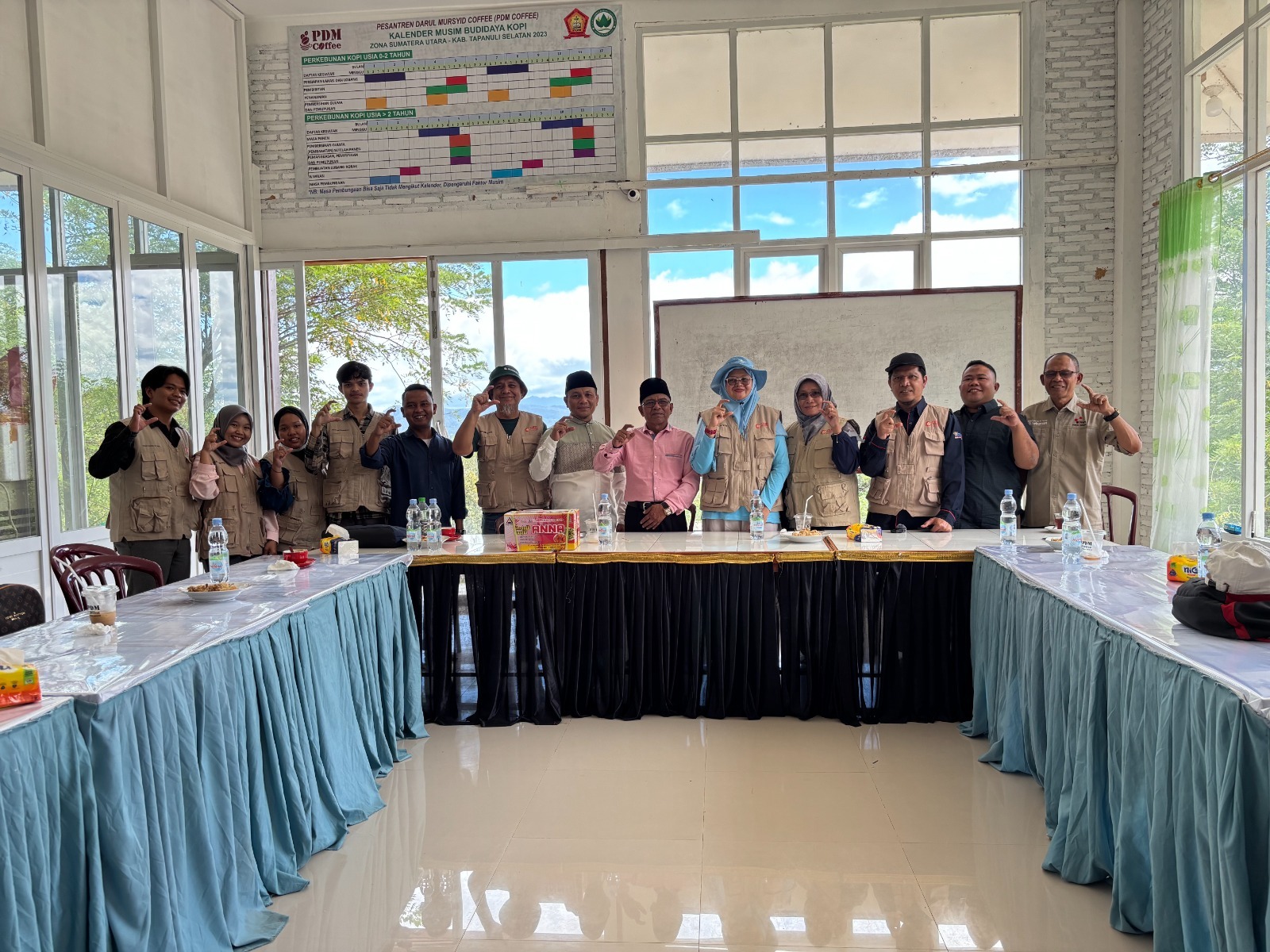
SiNergi Research Team of PPNP and CERI Visits Tanmudo Arabica Coffee Estate in Solok Regency, West Sumatra
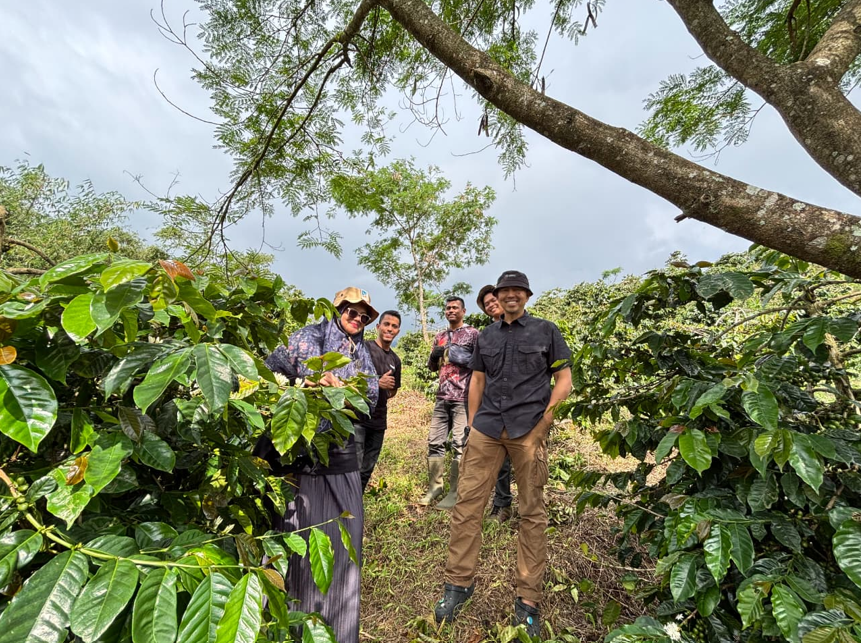
Solok Regency, June 16, 2026 – The SiNergi research team of Payakumbuh State Agricultural Polytechnic (PPNP), led by Prof. Dr. Rince Alfia Fadri, S.ST., M.Biomed., along with the team of Fidela Violalita, M.P., and Henny Fitri Yanti, M.Sc., accompanied by researchers from the Coffee Education Research Institute (CERI), conducted a field visit to Tanmudo Arabica Coffee Estate located in Bukik Gompong, Nagari Koto Gadang Guguak, Gunung Talang District, Solok Regency, West Sumatra.
The head of the research team, Prof. Dr. Rince Alfia Fadri, S.ST., M.Biomed., explained that field visits are an important step to obtain factual information and understand the actual conditions faced by coffee farmers in the field.
"Although our main focus is more on post-harvest coffee processing, we still need to delve first into the coffee cultivation itself. So that the information obtained during this research can be ensured valid, covering all upstream to downstream processes of the coffee business actors we visited," she said.
Starting from the Spirit of the Young Generation
The development of Tanmudo Coffee cannot be separated from the role of Bang Feri as the main driving force of this business. Land clearing began around 2019 when he was still studying at university. Intensive coffee planting then began in 2020 and has continued to develop to this day. Interestingly, the family's initial plan was to develop a tea plantation. However, after considering various technical aspects and market opportunities, the final choice fell on coffee commodities which were considered to have more promising prospects.
Managing Plantations at the Foot of Mount Talang
During the visit, the CERI Team obtained various information regarding the history, management, and development potential of Tanmudo Arabica Coffee Estate. Currently, land management is carried out through a Land Management Rights (HPL) scheme provided through a land management program by the Land Bank with a utilization period of ten years. This coffee plantation covers an area of approximately 30 hectares, with about 16 hectares of land already planted with Arabica coffee. Most of the cultivated plants are Ateng varieties which are known to have quite good productivity in the highlands. In addition, there are a number of coffee seedlings that are ready to be planted or sold.
Plantation management is carried out semi-organically by prioritizing environmentally friendly cultivation principles. One of the efforts being made is the breeding of lamtoro plants as shade trees. The presence of shade trees is considered important to maintain plantation stability, increase soil fertility, and support the sustainability of the coffee cultivation system. Currently, most of the plantation area is still in the development stage, so adding shade trees is one of the management's priorities.
Capacity Building Through Coffee Education
In addition to focusing on cultivation, Feri is also actively improving his capacity through various coffee education and training activities. One proud achievement is his success in obtaining the opportunity to participate in coffee education through a scholarship program given to a number of selected participants from West Sumatra. This experience has become important capital in the development of his coffee business, especially in increasing understanding of cultivation, post-harvest, and specialty coffee quality.
Production and Post-Harvest Processing
In terms of production, Tanmudo Coffee shows quite good development. Under certain conditions, cherry coffee harvests can reach around 160 kilograms in a single harvest. Meanwhile, green bean production can reach an average of around 200 kilograms per month. This figure shows that the plantation still has considerable opportunities for productivity improvement, especially when all planted areas have entered the optimal production phase.
Post-harvest management is carried out directly at the production house located around the plantation area. The proximity of the plantation location and processing facilities is an advantage because it can speed up handling of harvests and help maintain the quality of coffee beans.
All processes from cultivation, maintenance, to post-harvest processing are carried out by Feri together with his brothers. Meanwhile, members of the farmer group play more of a role in harvesting activities.
Mentoring the Alam Bukik Gompong Farmers Group
Feri currently mentors the Alam Bukik Gompong Farmers Group, which has around 16 members. This group was formed as a forum for farmer collaboration in developing a more directed and sustainable coffee business. The presence of this farmer group is expected to strengthen farmers' position in terms of production, marketing, and human resource capacity development.
For the CERI Team, the visit to Tanmudo Arabica Coffee Estate provides a real picture of how a coffee business can develop through a combination of entrepreneurial spirit, mastery of knowledge, and utilization of local potential. Supportive geographical conditions, the manager's commitment to maintaining quality, and institutional support are important factors that can encourage the progress of specialty coffee businesses in this area.
Great Potential of Solok Arabica Coffee
Tanmudo Arabica Coffee Estate has excellent prospects as one of the Arabica coffee centers in Solok Regency. With increasingly professional management, strengthening sustainable cultivation systems, and increasing farmer capacity through education and research, this area has the potential to become an example of specialty coffee development that can provide economic, social, and environmental benefits for the surrounding community.
Related Articles
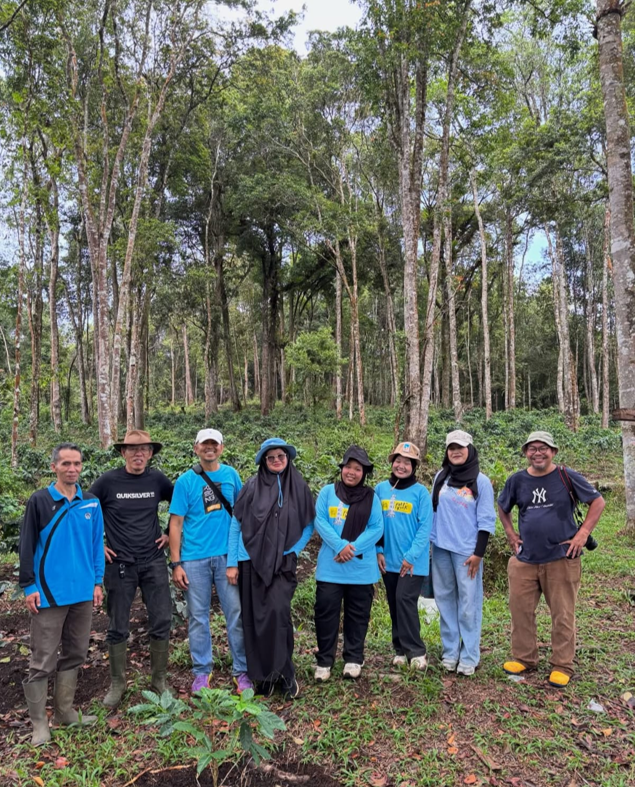
SiNergi Research Team of PPNP and CERI Studies Agroforestry-Based Coffee Development at Beranda Coffee & Roastery
Read More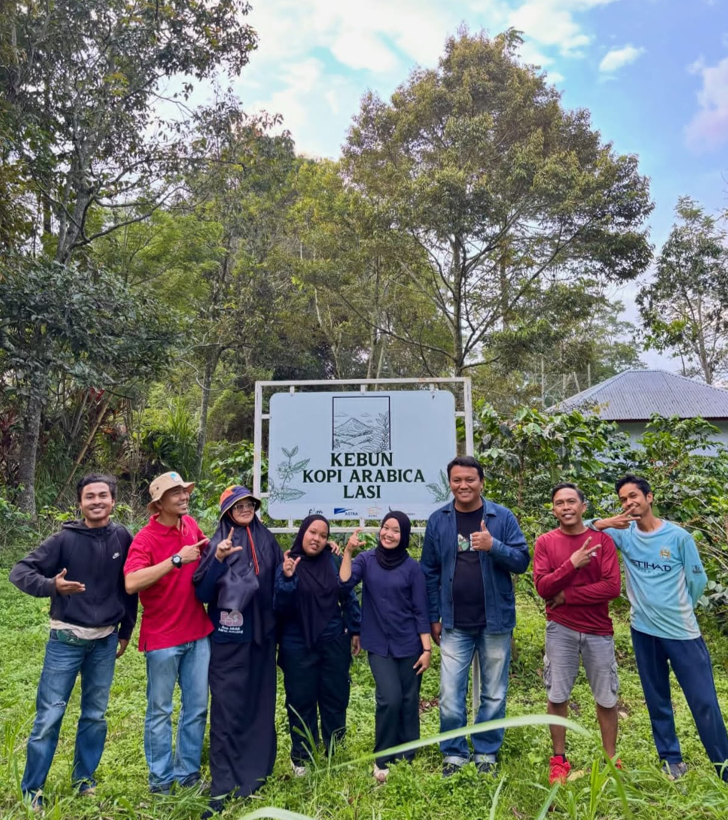
SiNergi Research Team of PPNP and CERI Visits Lasi Reborn: Young Generation Revives Coffee Cultivation in Nagari Lasi
Read More
SiNergi Research Team of PPNP and CERI Visits Tiga Dara Organic Coffee Farm, Highlights the Role of Women in the Indonesian Coffee Industry
Read More